 11
11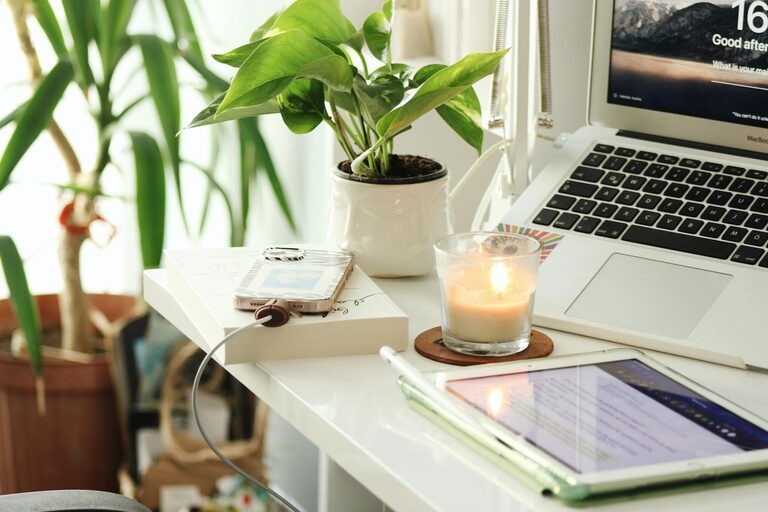
Creating a productive home office environment is essential for anyone working remotely or running a business from home. The right setup can help improve focus, reduce distractions, and enhance comfort, making it easier to maintain a healthy work-life balance. In this post, we’ll explore practical tips and strategies to help you design an efficient and enjoyable workspace in your home.
Finding the ideal spot for your home office is the first step toward productivity. Here’s what to consider:
– Quiet Area: Select a space away from household noise to minimize interruptions.
– Natural Light: Position your desk near a window if possible. Natural light helps reduce eye strain and boosts mood.
– Space Availability: Make sure the area has enough room for your desk, chair, and any work materials.
– Privacy: If you share your home, pick a location where you’ll have some privacy during your work hours.
Comfort plays a big role in staying productive throughout the day. A few key furniture choices include:
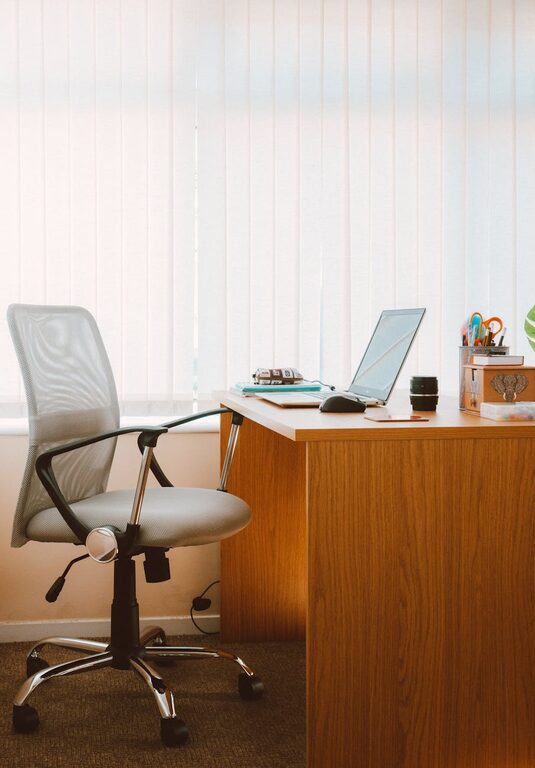
– Ergonomic Chair: Choose a chair with adjustable height, lumbar support, and comfortable padding to support your posture.
– Adjustable Desk: Consider a desk that works for sitting or standing to change positions and avoid stiffness.
– Proper Desk Size: Ensure your desk has enough surface area for your computer, documents, and any other tools you regularly use.
An organized environment reduces stress and helps you find what you need quickly.
– Declutter Regularly: Remove unnecessary items to keep your desk tidy.
– Use Storage Solutions: Utilize filing cabinets, shelves, baskets, or drawer organizers to keep supplies neatly stored.
– Keep Essentials Close: Store frequently used items within arm’s reach to avoid disruptions.
– Cable Management: Use clips or cable sleeves to keep cords neat and prevent tangling.
Good lighting is crucial for reducing eye strain and maintaining focus.
– Combine Natural and Artificial Light: Use daylight as much as possible, supplemented by desk lamps or overhead lighting.
– Avoid Glare: Position screens to minimize reflections from windows or lights.
– Choose Warm, Soft Light: Opt for bulbs that provide warm tones rather than harsh, cool white to create a comfortable atmosphere.
Maintaining focus can be a challenge at home. Here are strategies to help:
– Set Clear Boundaries: Communicate your work hours to family or roommates to limit interruptions.
– Use Noise-Canceling Headphones: These can block out background sounds and help you concentrate.
– Limit Non-Work Devices: Keep personal phones or other distractions out of sight during focused work times.
– Establish a Routine: Having a schedule signals to your brain when it’s time to work and when to relax.
Adding personal touches can make your office feel welcoming and motivating.
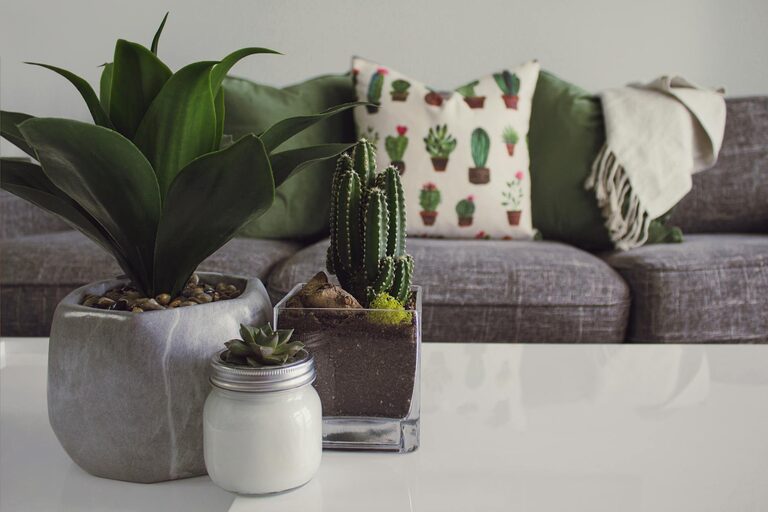
– Add Plants: Indoor greenery can improve air quality and provide a calming effect.
– Display Inspirational Items: Photos, art, or quotes can boost your mood.
– Choose Calming Colors: Soft, neutral tones on walls or décor help create a peaceful environment.
Technology is essential for a home office, but it can also be a source of frustration if not set up properly.
– Reliable Internet Connection: Ensure your Wi-Fi is fast and stable for video calls and online work.
– Quality Hardware: Invest in a good monitor, keyboard, and mouse suited to your tasks.
– Productivity Tools: Use apps or software to manage tasks, calendar, and communication effectively.
– Regular Backup: Protect your work by backing up data through cloud services or external drives.
Sitting all day can lead to fatigue and health issues. Incorporate movement into your day:
– Set Reminders to Stretch: Use timers to prompt standing, stretching, or walking every hour.
– Take Short Breaks: Step away from your desk to refresh your mind.
– Consider a Standing Desk or Desk Converter: Switching between sitting and standing promotes better circulation.
A fresh and comfortable atmosphere supports productivity:
– Ventilation: Open windows regularly or use fans to keep air circulating.
– Air Purifiers: These can help reduce allergens and improve air quality.
– Maintain Comfortable Temperature: Adjust heating or cooling for comfort throughout the workday.
Designing a productive home office environment takes time and thoughtful planning. By choosing the right location, investing in comfortable furniture, minimizing distractions, and personalizing your space, you set yourself up for success. Remember, the ultimate goal is to create a workspace that supports your work habits while being a positive, healthy place to spend your day. Incorporate these tips little by little, and soon you’ll notice improvements in your focus, comfort, and overall productivity.