 11
11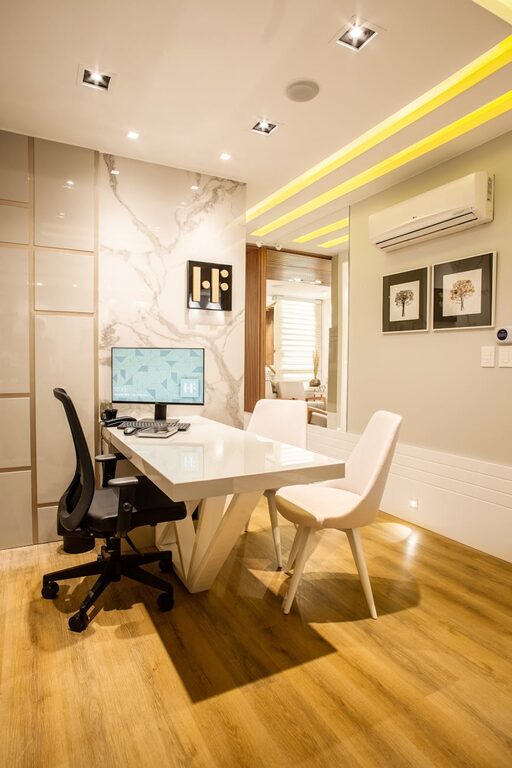
Creating a comfortable and efficient home workspace is important for anyone who spends significant time working from home. A well-designed work environment can improve your focus, reduce stress, and boost overall productivity. Whether you have a dedicated room or just a small corner, there are simple steps you can take to make your workspace both relaxing and productive.
When working from home, distractions and fatigue can easily take over. A thoughtfully arranged workspace minimizes interruptions and sets a clear boundary between work and relaxation. It also encourages good posture, reduces eye strain, and helps you stay organized. Ultimately, a welcoming and efficient workspace supports better quality work and more balance in your day.
Whenever possible, set up your workspace near a window. Natural light helps regulate your body clock, reduces eye strain, and boosts mood. Position your desk so the light comes from the side to avoid glare on your screen.
Find a spot away from household noise or where other family members frequently gather. If you can’t avoid noise completely, consider noise-canceling headphones or white noise machines to create a calm environment.
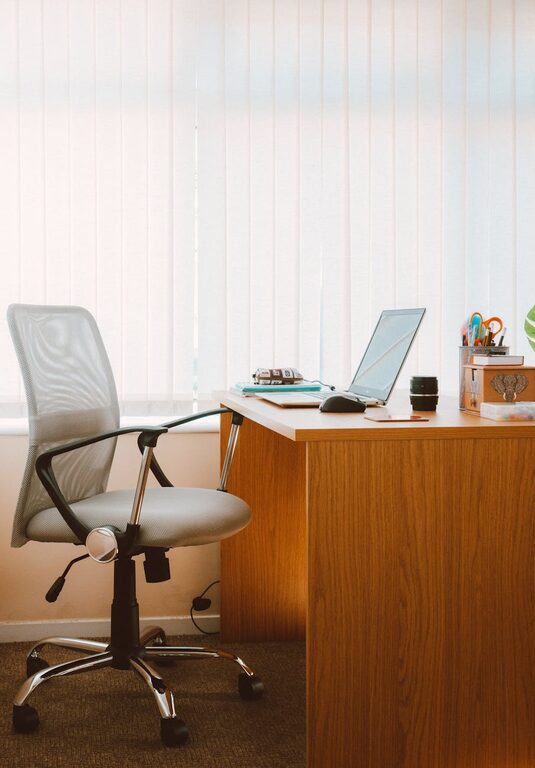
Choose a desk that fits your space but still offers enough room for your computer, documents, and a few personal items. An ergonomic chair is crucial to support your back and encourage good posture throughout the day. Adjustable chairs allow you to customize height and support.
If you use a laptop, consider investing in an external monitor and keyboard. Position the monitor at eye level to prevent neck strain. Keep your keyboard and mouse within easy reach to maintain a natural arm position.
Clutter can be distracting and stressful. Add shelves, filing cabinets, or desk organizers to keep your supplies and paperwork orderly. Label folders and boxes so you can quickly find what you need.
Soft, muted colors like blues, greens, or earth tones are known to promote calmness and focus. Avoid overly bright or harsh colors that might cause eye fatigue.
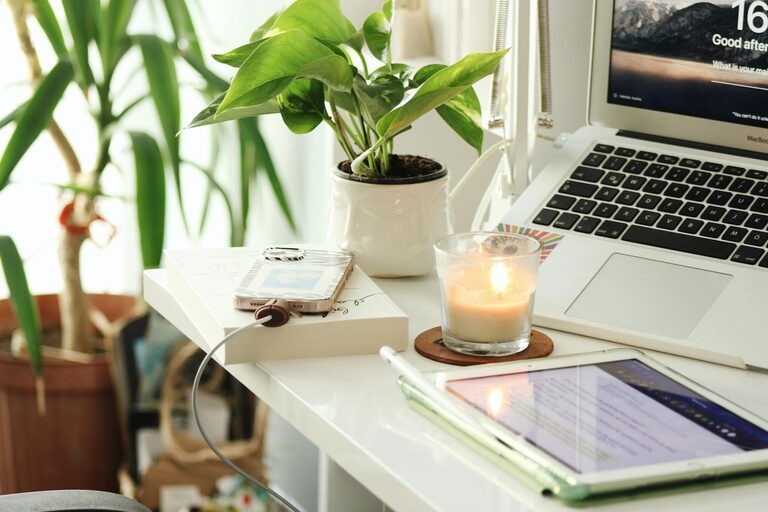
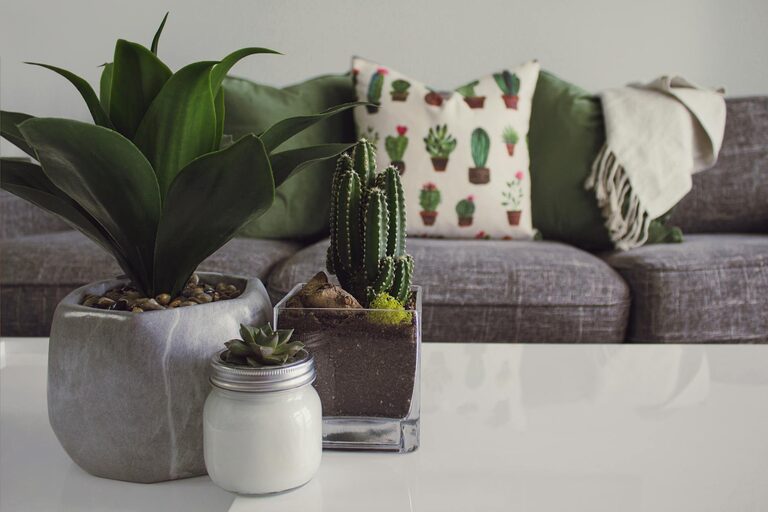
Indoor plants improve air quality and add a touch of nature that can reduce stress. Low-maintenance options like succulents or spider plants are excellent for home offices.
Decorate with a few meaningful items such as photos, artwork, or a favorite mug. Avoid overcrowding the space—too many objects can be distracting.
Use a combination of natural light and adjustable lamps with warm bulbs. Soft lighting reduces eye strain during early mornings or late evenings and helps maintain a cozy atmosphere.
Use a planner, calendar app, or to-do list near your workspace for quick reference. Organizing tasks by priority or deadline helps you stay focused and meet goals efficiently.
Set aside a few minutes daily or weekly to tidy your desk and remove unnecessary items. A clean workspace refreshes your mind and reduces distractions.
Tangled cords can look messy and create frustration. Use clips, sleeves, or cable boxes to keep wires tidy and out of the way.
Follow techniques like the Pomodoro method (25 minutes working, 5 minutes resting) to avoid burnout. Use breaks to stretch, hydrate, or briefly step outside.
Sit with your feet flat on the floor and your back supported by the chair. Keep your wrists level with your keyboard and your eyes looking straight at your screen.
Keep a water bottle nearby and choose healthy snacks. This helps maintain energy levels and concentration throughout your workday.
Apps for task management, focus timers, and note-taking can help you structure your day and reduce procrastination.
Turn off non-essential notifications or use “Do Not Disturb” modes during focused work periods to avoid interruptions.
Regularly update your software, clean your devices, and back up important data to ensure smooth and secure workflow.
Investing time in creating a workspace that blends relaxation and productivity pays off in improved work quality and well-being. By choosing the right location, organizing efficiently, personalizing thoughtfully, and adopting healthy habits, you build an environment where you can thrive professionally while feeling calm and comfortable. Adjust these tips to fit your personal needs and space, and you’ll enjoy a more satisfying work-from-home experience.