
 11
11 Creating a relaxing home environment can have a powerful impact on your well-being. After long or stressful days, coming home to a peaceful space helps you recharge, reduces anxiety, and promotes better sleep. Fortunately, making your home a sanctuary doesn’t require a complete overhaul—small changes can make a big difference. In this post, we’ll explore practical tips for turning your living space into a calming retreat that supports your health and happiness.
Your home is where you spend significant time, so it’s important that it nurtures your mind and body. A cluttered or noisy space can heighten stress, while a serene environment encourages relaxation and mindfulness. By intentionally designing your home to be soothing, you create a strong foundation for well-being.
—
Clutter can overwhelm your senses and make it harder to unwind. Start by organizing your space:
– Declutter one area at a time: Tackle small zones like a drawer or shelf to avoid feeling overwhelmed.
– Use smart storage: Invest in baskets, bins, or shelves to keep belongings tidy.
– Keep surfaces clear: Clear countertops and tables foster a sense of order and openness.
A neat space promotes mental clarity and helps you feel more at ease.
—
Colors affect mood subtly but significantly. Opt for hues that are naturally calming:
– Soft blues and greens: Evoke nature and promote tranquility.
– Warm neutrals: Beige, taupe, and soft grays create cozy, inviting atmospheres.
– Pastels: Gentle pinks, lavenders, or pale yellows can lift spirits without overstimulation.
Avoid harsh, overly bright colors in relaxation areas like bedrooms or living rooms.
—
Natural light boosts mood and regulates sleep cycles. Maximize daylight in your home by:
– Keeping window treatments light or sheer.
– Placing mirrors opposite windows to reflect light.
– Arranging furniture near windows for reading or relaxing.
If natural light is limited, use warm, soft artificial lighting to mimic its calming effects.
—
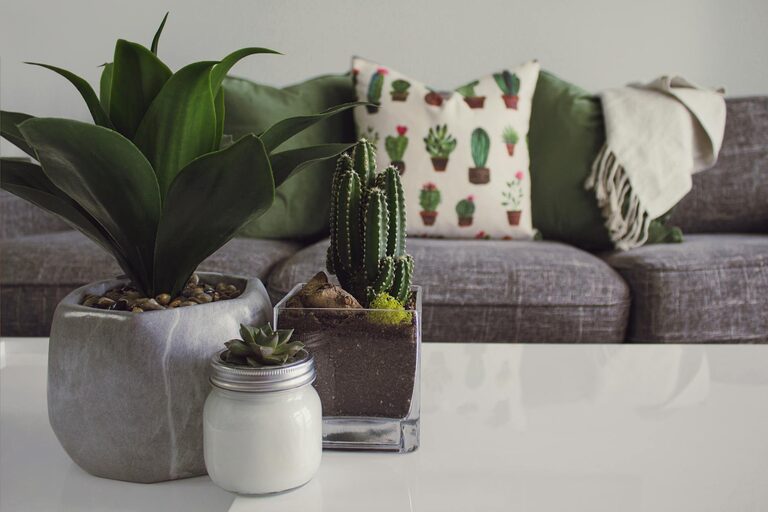
Bringing nature inside adds texture and a soothing vibe:
– Plants: Indoor greenery improves air quality and reduces stress.
– Natural materials: Wood, stone, cotton, and linen add warmth and tactile comfort.
– Water features: Small tabletop fountains or aquariums create gentle background sounds.
These elements connect you to the outdoors, helping you feel grounded.
—
Comfortable furniture encourages relaxation:
– Select chairs and sofas with supportive cushions and soft fabrics.
– Use blankets and throw pillows to add warmth and softness.
– Designate cozy corners or reading nooks for peaceful downtime.
Investing in quality bedding also improves sleep quality, which is crucial for overall well-being.
—
Aromas influence feelings and stress levels:
– Essential oils: Lavender, chamomile, and eucalyptus promote calmness.
– Scented candles or diffusers: Offer steady, gentle fragrance without overpowering.
– Fresh air: Regularly ventilate your home to keep the air clean and fresh.
Avoid harsh artificial scents, which might cause irritation or discomfort.
—
Sound affects your ability to relax and focus:
– Use rugs, curtains, and soft furnishings to absorb noise.
– Play calming background music or white noise to drown out disruptive sounds.
– Consider noise-canceling curtains or window inserts if you live in a noisy area.
A quieter environment helps your mind unwind and improves sleep quality.
—
Design areas dedicated to mindfulness or relaxation:
– A meditation corner with cushions and calming decor.
– A yoga mat in a sunny spot.
– A journal or creative space to express yourself.
These personal retreats encourage habits that improve mental and emotional health.
—
Finally, make your home your own by including items that bring joy:
– Photographs of loved ones or treasured memories.
– Artwork, books, or meaningful objects.
– Anything that helps you feel safe, happy, and inspired.
Personal touches deepen your connection with your surroundings and enhance feelings of contentment.
—
Creating a relaxing home environment is about balance and intention. By decluttering, choosing soothing colors, embracing natural elements, prioritizing comfort, and reducing noise, you can transform your living space into a peaceful sanctuary. These small but meaningful adjustments support your well-being, making it easier to relax, recharge, and enjoy everyday life. Start implementing these tips today and experience the difference a calming home environment can make.